
Pre-ground coffee is purchased by 74 percent of Americans because it is handy. On the other hand, fresh ground coffee beans have deeper and more complex tastes and a richer and more fragrant scent.
Table Of Contents
−- Grinding coffee beans in a blender
- Why do you need a coffee grinder?
- Is a burr grinder more effective than a blade grinder?
- Will grinding coffee beans wreak havoc on my blender?
- What other coffee grinding tools are available?
- Is it possible to crush coffee beans in a bullet?
- Which method makes the best coffee?
- How do I use a blender to get the right coffee grind size?
- What effect does grind size have on coffee taste?
- Coffee types to prepare while crushing coffee beans in a blender
- Important factors to consider while grinding coffee beans in a blender
- Mistakes to avoid while grinding coffee beans in a blender
- best blenders for grinding coffee beans
- Best burr grinders to replace your blender for grinding coffee
- The best whole bean coffee tastes mixed in a blender
- FAQs
- Finally, some thoughts.

Wouldn’t it be nice to wake up with a cup of freshly ground coffee beans?
However, your issue is that you don’t have a coffee grinder, or it’s broken, too expensive, or you accidentally bought a whole bean bag of coffee.
So, to answer your question: Can I grind coffee beans in a blender? Yes, you can; there are several additional methods for grinding beans, one of which is to use a blender. It might actually be extremely effective!
Grinding coffee beans in a blender
It may appear strange that a blender may be used to grind coffee beans, but blenders operate best when there is some liquid to assist move the particles about.
But, if you think about it, little electric grinders use blades to break up coffee beans, which is essentially the same thing. As a result, a standard household blender makes an excellent coffee grinder substitute!
We recommend you check to see whether your blender has a “grinding” function. This will yield a good medium coffee grind.
However, you should avoid grinding excessive volumes of coffee beans. When using a blender, just grind tiny quantities at a time.
Heat is generated by the fast-moving blades. Continuously running the blender can overheat the natural oils in the coffee beans, resulting in a bitter and harsh flavor.
Here’s how you should ground your coffee beans in a blender:
- Fill the blender halfway with coffee beans and cover with the lid.
- Select the grinding setting on the blender or any other high-speed setting.
- Grind your coffee beans briefly until you’re satisfied with the grind.
- To avoid the smell and flavor of stale coffee, empty the blender and immediately wash it.
We recommend grinding coffee beans for one cup of coffee at a time. If you need to make a pot of coffee for additional individuals, it is advisable to repeat the procedure with a smaller number of coffee beans rather than a huge amount all at once.
This will take more time, but it will prevent the blender’s blades from becoming caught and the coffee beans from overheating. The coffee will taste considerably better as a consequence.
While blades will never provide as uniform a grind as burrs, a blender is a fine substitute if you don’t have a coffee grinder at home.
Why do you need a coffee grinder?

If you’re a coffee connoisseur, you’re probably using a blade grinder or a burr grinder in your kitchen. But why use a coffee grinder when a blender would suffice? Let’s start with the fundamentals of making the ideal cup of coffee.
The flavor and texture of your coffee drink are determined by the quality of the grind. Roasted beans, if done correctly, have been cooked at the optimal temperature. Overheating your beans when grinding them may influence the flavor of your coffee for an excellent brew.
Because blade grinders generate a lot of heat, you risk overheating your beans using this approach. You’ll also have an inconsistent grind. That’s why burr grinders are so popular. Burr grinders are intended to ground coffee beans for maximum taste. The beans are not overheated during the grinding process, and the grind is equal.
The advantages of grinding your own coffee beans
You’ve probably heard someone suggest that instead of buying store-bought coffee, you grind your own at home. They’ll tell you that it tastes better than anything you’ll find in a shop.
So, does it taste any better? The answer is that fresh-ground coffee does taste better. It also turns out that it’s more than just a personal choice – research backs it up.
Oxidation
Coffee beans contain various chemicals that contribute to the flavor and fragrance of a drink. Because some of these chemicals are not particularly stable, they can undergo rapid transformation.
Flavor and fragrance molecules are produced from your coffee beans as a result of the naturally occurring process of oxidation, which is triggered by grinding the beans. This is fantastic if you’re ready to brew immediately, but if you wait too long, too much flavor will be released.
Moisture
Coffee bean oils are water soluble, which is essential since it dilutes the beans, giving them their distinct flavor and scent. However, even atmospheric moisture might start to dilute your coffee beans. Grinding the beans increases the surface area available for moisture to break down the oils, resulting in faster dilution and taste loss.
Contamination
Coffee beans’ oils are exceedingly sensitive and get exposed after grinding.
As a result, they are prone to contamination from other scents in your kitchen. Grinding your coffee beans right before brewing can help you avoid drinking coffee that tastes like last night’s meal.
Depletion of carbon dioxide
The taste from the oils in the beans is delivered to your cup of coffee via carbon dioxide, and grinding the beans increases the surface area for carbon dioxide to escape. More carbon dioxide is produced when ground coffee rests for an extended period.
Grinding and holding coffee rather than brewing it immediately can quickly deplete carbon dioxide, resulting in a considerable loss of taste.
Store-bought coffee might be tasty, but ground the coffee beans yourself right before brewing for the freshest cup of coffee. If you want to experience freshly ground coffee beans, you may grind them in your blender every morning.
Fill the Twister jar with 1 cup of coffee beans, the FourSide jar with 112 cups, and the WildSide+ container with 2 cups. Close the jar cover and process on Speed 5 for 20–30 seconds, or until the desired texture is achieved.
Is a burr grinder more effective than a blade grinder?
If you haven’t heard of a burr grinder, you should. They are available in both electric and manual versions.
This is the most effective method for achieving a uniform grind for your morning coffee. Blade grinders crush beans into certain ground sizes depending on the time they are ground. As a result, the beans are only mostly uniformly ground.
A burr grinder, on the other hand, grinds the beans against a burr, ensuring that only the right size is gathered. This leads to a more steady grind overall. Your coffee grinds will be around the same size.
Burr grinders are classified into two categories. The burr of a wheel grinder revolves like a wheel. Typically, the speed is faster. They’re dirtier and noisier. They’re also beneficial for your bank account.
The conical burr is another type of burr. These are the greatest burr grinders available. They ground coffee more slowly because they are more thorough and spin slower than a wheel grinder. However, this is the machine for you if you want the most consistently ground cup of coffee. It will pay you back in the form of smooth, fragrant coffee.
Will grinding coffee beans wreak havoc on my blender?
If you are cautious, your blender should not be harmed. As a result, we recommend grinding a modest amount of coffee beans in quick spurts rather than all at once.
Before attempting to ground coffee beans, ensure your blender has a “grinding setting.”
What other coffee grinding tools are available?
Pestle and Mortar

One of the good old-fashioned methods of crushing coffee beans is with a mortar and pestle.
This approach was employed by pharmacists to make the drug. It has also been used in the kitchen to crush and prepare spices.
As a result, don’t leave a mortar and pestle lying around your kitchen as you agonize over having to buy coffee grounds rather than grinding them yourself. Who doesn’t desire a fresh cup of coffee?
Procedure
- Step 1: Place a few coffee beans in the mortar. A tiny quantity helps achieve consistency.
- Step 2: Using your most active hand, hold the pestle firmly to the surface, and on the other hand, hold the motor firmly to the surface. When grounding, a tight grip is required to prevent the mortar from flipping.
- Step 3: Crush the coffee beans against the mortar using the pestle. Take care not to smash the coffee grinds into unfilterable dust. When crushing the coffee beans, mix them to ensure that each ground is equally and consistently ground.
- Step 4: If you need to grind different coffee, pour the ready grounds into a measuring cup and repeat the procedure until you have enough coffee grounds.
When making your coffee, use around 2 teaspoons of these grinds. Furthermore, because of the tight control over the size of the grounds, the coffee grounds provide a variety of grinds from French-press coarse to Turkish coffee fine.
Hammer
A similar approach is used by a hammer, mallet, or meat tenderizer to smash coffee beans to the required size of coffee grounds. However, be cautious while using these instruments since they can smash the coffee beans, your palm, and a well-designed kitchen counter.
Procedure
- Step 1: Fill a paper bag halfway with the required number of coffee beans.
- Step 2: Set the paper bag of coffee grinds on the kitchen surface.
- Step 3: Apply downward pressure to the grinds with your hammer, millet, or meat tenderizer.
- Step 4: When crushing, flip the paper bag on both sides to ensure that all of the beans are crushed and that there is a constituency in the grinds.
The grinds produced by this method are typically coarse to medium in size. As a result, they are best utilized for brewing cold coffee in a Chemex or a drip coffee machine. It should be noted that they are not the ideal grinds for making espresso.
The Rolling Pin

A standard rolling pin can assist you in grinding your coffee beans. It provides finer grinds than other methods, such as using a hammer. You’ll need elbow grease for the rolling pin while utilizing it.
You will also need to concentrate on grinding to ensure that you use the same force throughout the grind.
Procedure
- Step 1: Place some grounds in a plastic bag, push as many grounds as possible into the bag, and close it.
- Step 2: Place the bag on a level surface and roll the coffee beans through it. Roll away from the opening to prevent forcing the contents out of the bag.
- Step 3: Roll the rolling pin until you are satisfied with the consistency of the coffee grounds.
Because the paper bag is fragile, you may want to cover it with a cloth during grinding to avoid rips. However, keep in mind that this will increase the amount of time you spend rolling the pin to obtain the necessary grinds. When done correctly, grounds from a rolling pin are generally medium to fine in texture.
Food Processor
To ground coffee beans, a food processor works in the same way as a blender does. The ground meat produced by a food processor is not precisely fine or uniform. As a result, the brief fast bursts approach using a food processor is required.
Procedure
- Step 1: Place a tiny amount of coffee beans in the processor’s bowl and close the lid securely.
- Step 2: On the processor, use the pulse approach to do the rapid, brief bursts. While grinding, tilt the processor gently from side to side. This allows the unground beans to make contact with the blades.
- Step 3: Depending on how much ground you want, dump it out and replace it with new coffee beans to make different grinds.
Knife
Unfortunately, using a knife to grind your coffee beans should only be done by people with previous expertise with blades, especially chefs.
When grinding coffee with a knife, utilize the wide, blunt surface of the knife. It is preferable to use a butcher or chef’s knife since they are somewhat broader than standard kitchen knives.
Procedure
- Step 1: Spread the coffee beans out on a flat surface or a cutting board.
- Step 2: Place the knife on the beans, with the edges against the board. To prevent coffee beans from flying everywhere, place a cloth over the knife.
- Step 3: Firmly press your hand on the knife and the coffee beans.
- Step 4: Once the coffee beans have been broken, continue pressing them down while grinding the blade towards you to finely grind the grounds.
Garlic Press or Hand Mincer

This process is not the same as grinding beans in a coffee grinder, but it is quite easy.
The beans are forcibly pressed out of the region where the garlic, meat, or other meal is stored.
One of the most noticeable drawbacks is that the holes are generally rather large, resulting in a larger, coarser ground. This step may need to be repeated or combined with the rolling pin or hammer approach.
You can only grind a small number of beans at a time using the hand mincer. Put many whole coffee beans through the mincer or press, then gather the grounds and put them through the mincer or press again, or as many times as necessary to get the desired kind of grinds.
Procedure:
- Put a tiny amount of beans through the mincer or press.
- Squeeze the instrument firmly until all coffee bean fragments have gone through.
- Steps 1 and 2 should be repeated indefinitely.
- Your grounds may be too large and coarse for some ways, so put them through the press again until you reach the desired sort of grounds.
Is it possible to crush coffee beans in a bullet?
Yes, a Magic Bullet blender is excellent for grinding coffee beans. Simply place the ingredients in the cup and secure the cross blade. Then, before pushing the cup into the blender, align the tabs on the cup with the base.
All you need to do to ground your coffee beans is apply pressure. Apply pressure and spin the cup to secure it.
Which method makes the best coffee?
Each strategy has advantages and disadvantages. A blender produces a coarse to medium grind that works nicely in a drip coffee machine or French press. There is always the risk of overheating the beans when using the blender, so be patient and employ pulsing motions to avoid this.
Using the mortar and pestle, hammer, and rolling pin procedures takes some elbow grease. This might be difficult to do first thing in the morning! You’ll also struggle to acquire a fine grind unless you work at it for an extended period, which is not ideal when you’ve just woken up.
However, they provide a straightforward method for grinding coffee beans. Most of us will have at least one of these instruments in our homes. It’s also less expensive than purchasing a new coffee grinder.
The bullet blender is quick and simple to use. Depending on how long you grind, you may pick between coarse, medium, and fine grind. If you want to make espresso, a fine grind works nicely and can be done using a bullet blender.
You might, however, go too far and end up with extremely fine coffee clinging together.
How do I use a blender to get the right coffee grind size?
The grind size spectrum is a range with a bottom and a top. Coarse particles have a particle size of somewhat more than 1mm. Extra fine particles have a diameter of less than 0.25 mm per particle.
Using a blender or any blade grinder is not suggested since the grind size is so exact, and our eyes are not error-free when estimating particle sizes.
You will not only have a problem with uniformity with these machines, but you will also have difficulty determining the average particle size. Each home coffee enthusiast should invest in an electric burr grinder with preset parameters.
You don’t even need to be a connoisseur to enjoy it. It’s as simple as adjusting the bean hopper from fine to coarse on some machines.
What effect does grind size have on coffee taste?
When selecting the correct grind size for your coffee, it all boils down to the technique you use to brew it.
| Brewing Method | Grind Size |
| Cold Brew/Toddy | Extra Coarse |
| French Press | Coarse |
| Standard Coffee Maker | Medium – Coarse |
| Pour-over/Chemex | Medium |
| AeroPress | Medium – Fine |
| Espresso Machine | Fine |
| Turkish Coffee | Extra Fine |
This shows that you can prepare coffee with any grind size in this range.
The size of the grind will be determined by the procedure. Other considerations include water temperature and extraction times. But the magnitude of the grind is what we’re interested in.
What effect does it have on taste?
Coarser coffee has a higher acidity and might taste weak and sour. Finer coffee might be too harsh. This, once again, is dependent on the brewing procedure. Just because you are on the spectrum does not imply you will not experience these issues.
This is why it is critical to understand the average particle size. This isn’t so you can measure it properly (we’re talking millimeters here), but so you can train your eye to what seems to be the correct grind size for your chosen approach over time.
Coffee types to prepare while crushing coffee beans in a blender
When grinding coffee beans with a blender, you may prepare a variety of coffees. Here are a few examples:
- When it comes to French press coffee, make sure your coffee is ground to a coarse. For best flavor, the coffee grinds should be the size of sea salt.
- Just pulse the coffee beans fast to make cold brew coffee, resulting in an extra-coarse grind.
- Grinding to medium size is appropriate for making regular-strength coffee or using a drip coffee machine.
- Make sure to grind the beans to an acceptable level if you want a super-strong espresso mix.
Important factors to consider while grinding coffee beans in a blender
It’s vital to remember that when grinding coffee beans, you should only use your blender on a pulse mode rather than continuing to avoid wearing out the motor.
If your blender does not have a pulse function, mix the beans intermittently to avoid the heat from the blender overheating the oils in the beans. If you mix the coffee beans indefinitely, the oils in the beans may overheat, resulting in taste loss.
The major factor is blending power, and devices with more than 500 watts will provide the maximum power.
A blender with robust blades makes all the difference when it comes to rapidly and simply grinding coffee beans. Cleanup is a breeze if you get one with detachable blades.
Mistakes to avoid while grinding coffee beans in a blender
Over-processing is one of the most common mistakes when grinding your own coffee beans with a blender. Once you’ve decided on the grind of coffee you’ll need, don’t overdo it, or the quality of the coffee will suffer.
Another key factor to consider is accurately measuring the amount of coffee you’ll be using. A standard quantity for making the perfect cup of coffee is two heaping teaspoons of ground coffee per cup.
best blenders for grinding coffee beans
Blender Vitamix Professional Series 750

- Automated Blending: Five pre-programmed settings ensure simple cleaning, walk-away convenience, and...
- You're in Control: Variable Speed Control and Pulse feature let you manually fine-tune the texture of any...
- Low-Profile 64-ounce Container: Perfect for family meals and entertaining, while fitting comfortably...
This high-performance, professional-series blender is the top-of-the-line model. With a few fast pulses, it can swiftly and simply turn coffee beans into your preferred grind.
KitchenAid Hand Blender with Variable Speed
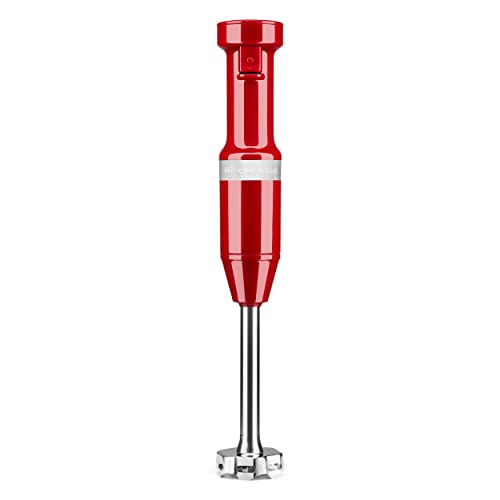
- Removable 8" Blending Arm, with 4-point stainless steel blade that quickly blends ingredients for...
- Take control over your recipes with the easy-to-use variable speed trigger switch
- US Patented removable pan guard to help protect your cookware when blending
This hand blender has a BPA-free chopping attachment and a variable speed trigger control for convenient coffee grinding.
Countertop Blender Ninja Professional

- POWERFUL MOTOR: Blend, crush and more in this powerhouse 1100-watt blender.
- NINJA BLADE SYSTEM: Total Crushing Blades crush ice to snow in seconds and blend tough ingredients with...
- XL BLENDING: Blend large batches in the 72 oz.* Total Crushing pitcher- ideal for parties, meal prep and...
This six-blade machine swiftly grinds coffee beans into your preferred grind by allowing you to select one of three settings.
Original Blendtec Total Classic Blender

- Do more in the kitchen: This blender has preprogrammed cycles for batters, mixed drinks, smoothies,...
- Feel confident: With technology to make blending simpler and more effective, Blendtec is the ultimate...
When using this Blendtec model, you may grind your coffee to your favorite texture by selecting one of ten speeds.
Best burr grinders to replace your blender for grinding coffee
Capresso 560.01 Infinity Conical Burr Grinder
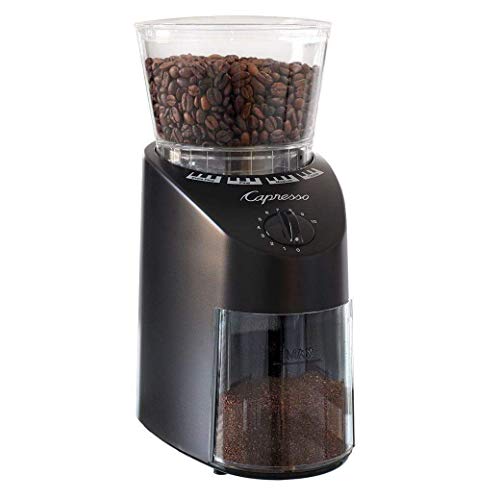
- PRECISION GRINDING: Commercial-grade, solid steel conical burrs with advanced cutting design
- WIDE GRINDING RANGE: From ultrafine Turkish to French Press coarse and everything in between
- PRESERVES AROMA: Gear reduction motor grinds slow with reduced noise and little static build-up
If you’re looking for the best value on the market for a coffee grinder, this Capresso product is one of the top competitors.
Baratza Encore Burr Coffee Grinder
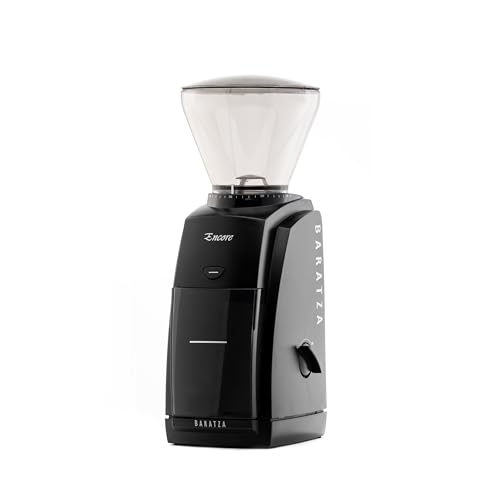
- Specialty Coffee Association Award Winning Grinders - Baratza grinders are preferred by coffee...
- Go-To Entry Level Grinder - Baratza’s best-selling grinder, with its small footprint, is THE choice for...
- User Friendly - A convenient, front-mounted pulse button, plus a simple ON/OFF switch make it easy to...
Some professional baristas consider the best burr coffee grinder on the market, and the Baratza Encore could be a good choice for serious coffee lovers.
1Zpresso Q2 Manual Coffee Grinder
This is great for small batches of coffee since it’s a small 20g capacity and only enough for one brew. But, with its build, ease of use, and great price tag, this is the one to beat!
Hario Skerton Pro Ceramic Coffee Mill

- Manual coffee mill grinds beans to your desired texture
- Ceramic conical burrs ensure a precise, uniform grind.
- Nonslip rubber base keeps the mill in place during grinding.
If you need more than one cup at a time. Hario can provide around 4 cups at a time. The ergonomically-designed Hario Skerton Pro is lightweight but has a large capacity. It has a slip-free rubber base to keep accidents at bay. It is also known for its grind precision.
The best whole bean coffee tastes mixed in a blender
- French roast
- Dark roast
- French Vanilla
- Hazelnut
- Espresso roast
- Chocolate Raspberry
- Medium roast
FAQs
Can I brew coffee with uneven or inconsistent coffee grounds?
No, if you want to taste the full tastes, oils, and substance of coffee, you must use consistent grinds. When coffee grounds are inconsistent in size, it signifies that some are larger than others. As a result, when hot water is poured into the grounds, the finer grounds release flavors faster than the bigger ones. If you halt the procedure, you will most likely get a chalky cup of coffee.
When the grounds are constant, the oils and tastes are extracted simultaneously and properly, resulting in a smooth cup of your favorite coffee.
How can I ensure consistency in my grounds?
As stated throughout the essay, the simplest approach to ensure even grinds is to crush a few beans at a time. I cannot emphasize this more. Grounding little potions also allows you to adjust the texture of your coffee.
You should also use the same amount of pressure throughout the grinding operation.
However, if you still wind up with uneven coffee grounds, don’t worry; you don’t have to throw them out. You may make your coffee with a French press. A French press is more forgiving of uneven grounds and brewing course grounds.
Do everything it takes to stay awake!
Finally, some thoughts.
The coffee grind is quite important in the brewing process. Everything, from the coarseness of the grind to its freshness, will affect the end result: the flavor of your cup of coffee.
That is why coffee connoisseurs advocate grinding your coffee beans at home, just before creating a pot or cup of coffee.
Not everyone, however, can afford a professional coffee grinder or a coffee machine with a grinder. That is why we believe it is critical to provide alternatives to grinding coffee beans.
The best option for grinding coffee without a grinder is to use a blender, which works similarly to a blade grinder.
True, none of the alternatives to a grinder have the same fine and uniform grind as a professional coffee grinder. However, it is still superior to pre-ground coffee.
And the lack of a grinder at home should not prevent you from enjoying a cup of coffee’s full and rich flavor!
Last update on 2026-03-07 / Affiliate links / Images from Amazon Product Advertising API

Jay Kang
As a professional barista, it was more important for me to know the ins and out of what coffee means. So, I started this journey to unlock the appreciation and the love of coffee on my site.